
HOW OFTEN DO YOU NEED TO CHANGE GUITAR STRINGS?
- Ryan Pearce
- 4 hours ago
- 2 min read

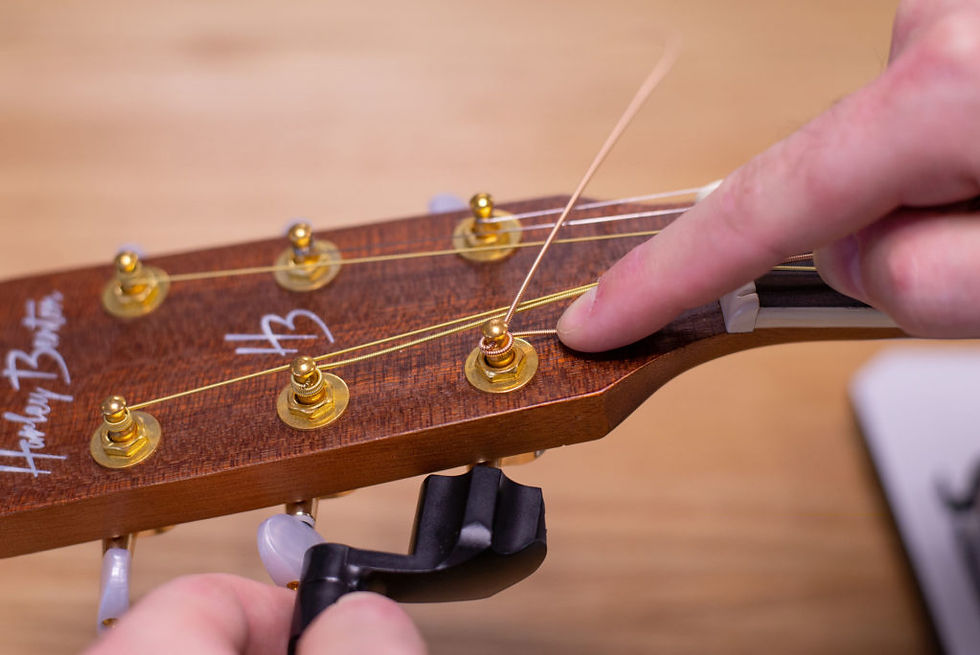
If you play guitar regularly, then changing your strings is one of the most important parts of maintaining your instrument. Fresh strings don’t just sound better—they also improve tuning stability, playability, and the overall life of your guitar. But one of the most common questions players ask is: how often should you actually change them?
The answer depends on how often you play, your playing style, and even your body chemistry. Let’s break it down.
General Guidelines for Changing Guitar Strings
As a general rule, here’s a good schedule to follow:
Daily players: every 1–2 weeks
Regular players (a few times per week): every 3–4 weeks
Occasional players: every 2–3 months
Guitars rarely played: every 4–6 months
Even if you don’t play your guitar often, strings can still deteriorate due to humidity, dust, and oxidation.
Signs Your Guitar Strings Need Changing
Sometimes your strings will tell you when it’s time for a replacement. Watch out for these common signs:
1. Dull or Lifeless Tone
Fresh strings have brightness and clarity. As they wear out, they begin to sound flat, dull, and less responsive.
2. Tuning Problems
If your guitar struggles to stay in tune or requires constant adjustment, worn strings may be the cause.
3. Visible Wear or Rust
Look for discoloration, rust spots, or fraying (especially on wound strings). Once corrosion sets in, the tone and feel will suffer.
4. Rough or Sticky Feel
Old strings can feel rough under your fingers or develop a sticky residue from sweat and oils.
Why Changing Strings Matters
Old strings don’t just sound worse—they can also affect your guitar’s performance.
Worn strings:
Lose brightness and sustain
Make tuning less stable
Increase the risk of string breakage
Feel less comfortable to play
Fresh strings keep your guitar sounding its best and make playing more enjoyable.
Tips to Make Your Strings Last Longer
You can extend the life of your strings with a few simple habits:
Wash your hands before playing to remove oils and dirt
Wipe down the strings after playing with a clean cloth
Store your guitar in a case when not in use
Use coated strings if you want longer-lasting tone
These small steps can add weeks to the lifespan of your strings.
Final Thoughts
Changing your guitar strings regularly is one of the simplest ways to improve your sound and playing experience. Whether you’re practicing at home, gigging regularly, or just picking up the guitar occasionally, keeping fresh strings on your instrument will make a noticeable difference.
If you're unsure which strings are right for your guitar—or if your instrument needs a professional setup after a string change—a qualified guitar technician can help ensure everything plays perfectly.


Comments