
ESSENTIAL GUIDE TO UNDERSTANDING GUITAR TUNING PEGS
- Ryan Pearce
- Sep 18, 2025
- 4 min read

Guitar tuning pegs might be small, but they play a big role in how your guitar sounds. Even if you're just starting out, tuning pegs are vital for keeping your instrument sounding its best. This guide will break down the types of tuning pegs, how they work, and why they matter to every guitarist, whether you're picking up a guitar for the first time or you're a seasoned pro.
What Are Guitar Tuning Pegs?
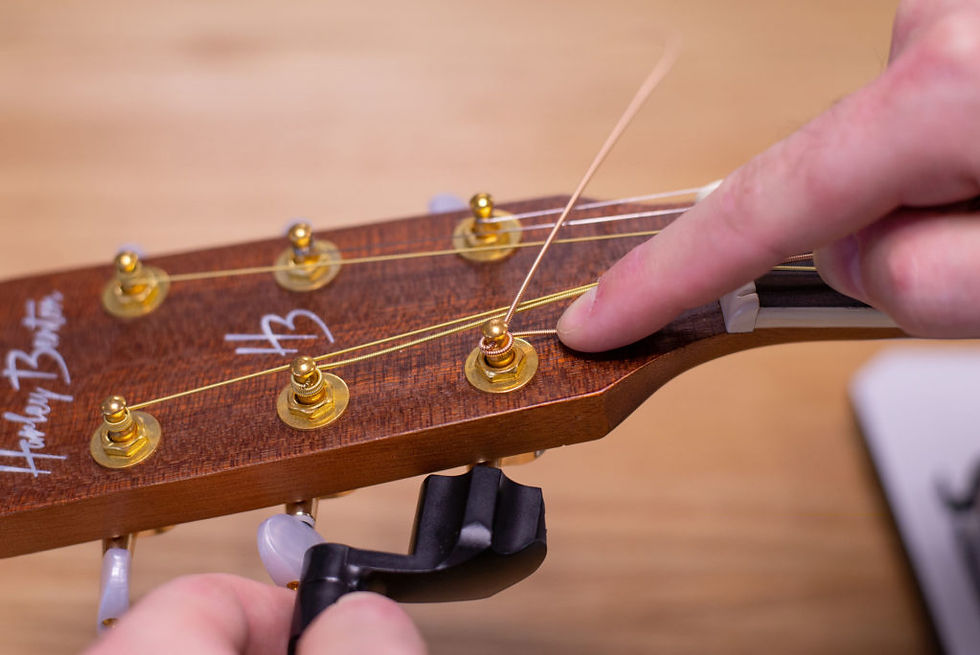
Guitar tuning pegs, also called tuning machines or tuners, are mounted on the headstock of a guitar. They adjust the tension of the strings, which changes the pitch of the notes played. Each string has its own tuning peg, letting you make individual adjustments for perfect tuning.
Inside each tuning peg, you'll find key components: the gear, shaft, and knob. When you turn the knob, it rotates the shaft, engaging the gearing mechanism to either tighten or loosen the string. This clever design enables guitarists to quickly and accurately tune their instruments.
Types of Guitar Tuning Pegs
Understanding the different types of tuning pegs can help you select the right ones for your guitar. Here's a closer look at several types of tuning pegs:
1. Standard Tuning Pegs
Standard tuning pegs are the most prevalent on both acoustic and electric guitars. They feature a straightforward gear mechanism and are simple to use. These pegs offer reliable tuning stability, making them suitable for almost any player. For example, if you own a popular guitar brand like Fender or Gibson, standard tuning pegs are typically what you’ll find.
2. Locking Tuning Pegs
Locking tuning pegs provide a secure hold on the strings. They have a mechanism that clamps the string in place, reducing slipping and maintaining tuning stability even during intense play. A study demonstrated that guitars with locking pegs can stay in tune up to 50% longer compared to standard pegs. This is especially beneficial for guitarists who frequently use alternate tunings or perform extensive string bends, like rock or metal musicians.
3. Vintage Tuning Pegs
Vintage tuning pegs are a throwback to older guitar designs. While they may not offer the same tuning stability as their modern counterparts, many players appreciate their classic look and feel. If you own a vintage-style guitar, these pegs can add character to your instrument, enhancing the authenticity of your sound.
4. High-Ratio Tuning Pegs
High-ratio tuning pegs allow for more precise adjustments. A small turn of the knob leads to a larger change in string tension, making them perfect for musicians who need accurate tuning, like those in orchestras. Some high-ratio pegs can have a gear ratio of 18:1, compared to standard 14:1 pegs, providing better control over tuning.
The Importance of Tuning Pegs
Understanding why tuning pegs matter can significantly enhance your guitar experience. Here are some key reasons:
1. Achieving Accurate Tuning
Accurate tuning is the primary job of tuning pegs. Without them functioning correctly, keeping the right pitch becomes a challenge. This is especially crucial during performances. A study found that musicians tuned with unreliable pegs were 30% more likely to be out of sync with their fellow players.
2. Enhancing Sound Quality
Tuning pegs ensure that strings are adequately tensioned, contributing to the overall sound quality. Well-tuned strings resonate beautifully, producing a richer tone. A guitar that's correctly tuned can make a noticeable difference, transforming an average performance into a captivating one.
3. Stability During Play
High-quality tuning pegs offer better tuning stability. If pegs are faulty, strings may slip out of tune mid-performance. This could lead to frustrating moments. For example, musicians performing live can devote only 20% of their attention to tuning issues, negatively impacting their performance quality.
4. Customization and Personalization
Tuning pegs provide a means for guitarists to customize their sound. By selecting different types of pegs based on personal playing style and preferences, musicians can enhance their relationship with their instrument. Whether you prefer the reliability of locking pegs or the aesthetic charm of vintage pegs, there's a variety for everyone.
How to Maintain Your Tuning Pegs
To ensure your tuning pegs last and perform well, follow these maintenance tips:
1. Regular Cleaning
Keep your tuning pegs clean by using a soft cloth to wipe away dust and grime. This simple action can prevent buildup that affects functionality. Avoid harsh chemicals that might damage your guitar’s finish.
2. Lubrication
Applying a small amount of lubricant to the gears occasionally keeps them operating smoothly. Use a product designed for musical instruments to avoid any damage. This can help maintain the ease of adjusting the tuning.
3. Check for Wear and Tear
Regularly inspect your tuning pegs for signs of wear. If you notice slipping or difficulty turning the knobs, it could be time to consider replacements. Untreated issues may lead to larger problems down the road.
4. Proper String Installation
Ensure strings are installed correctly on the tuning pegs. Mistakes in installation can lead to tuning instability. Following the manufacturer’s guidelines ensures you’re achieving the best setup for your instrument.
Final Thoughts
Guitar tuning pegs may seem small, but their impact is significant. They are essential for achieving accurate tuning, enhancing sound quality, and maintaining stability while playing. Knowing the different types of tuning pegs and how to care for them can greatly improve your performance.
Whether just starting or a lifelong guitarist, taking the time to understand tuning pegs can elevate your music experience. So, the next time you pick up your guitar, remember how crucial these small components are to your musical journey.



Comments